
- Simple extraction
- TRY 1,000–2,500 per tooth
- Surgical extraction
- TRY 2,500–8,000 per tooth
- Approximate in pounds
- £15–£40 simple; £40–£120 surgical
- What decides it
- Panoramic X-ray, sometimes a 3D scan
- Anaesthesia
- Local anaesthetic
- Before flying
- Allow a few days and a check-up
Wisdom tooth removal Istanbul cost: simple and surgical ranges
Our price list separates wisdom tooth removal into two kinds of procedure, because the work involved is very different. A simple extraction is listed at TRY 1,000–2,500 per tooth. A surgical extraction, which is what most impacted wisdom teeth need, is listed at TRY 2,500–8,000 per tooth.
| Treatment | Price range (TRY) | Approx. GBP | Approx. EUR | Approx. USD |
|---|---|---|---|---|
| Simple extraction (per tooth) | 1,000–2,500 | £15–£40 | €20–€45 | $20–$50 |
| Surgical / wisdom tooth extraction (per tooth) | 2,500–8,000 | £40–£120 | €45–€145 | $50–$160 |
Please note: these ranges come from our clinic price list and are shared to help you plan a budget. They are information, not a quote or an offer. The exact cost can only be set after an examination, any X-rays or scans needed, and a written treatment plan. Our list is in Turkish lira; amounts in pounds, euros and dollars are approximate, converted at the European Central Bank rate of 23 October 2026, and change with the exchange rate.
If a 3D scan is needed because the roots sit close to the nerve, that is set out in your written plan along with any medicines prescribed for afterwards.
Simple or surgical extraction: what is the difference?
A simple extraction is used when the wisdom tooth has come fully through the gum and can be reached and lifted out with instruments, without cutting gum or removing bone. Upper wisdom teeth that have erupted straight often fall into this group, and the procedure itself may take only a few minutes.
A surgical extraction is needed when the tooth is partly or fully covered by gum or bone, or when its roots make it hard to remove in one piece. The dentist makes a small opening in the gum, may remove a little bone, often divides the tooth into sections, and closes the area with stitches. This takes longer, needs more care around nearby structures and usually means a slower recovery.
The upper end of the surgical range applies to the most demanding teeth: those lying deep and horizontal in the lower jaw, with curved roots, or close to the nerve.
What decides the cost: the X-ray, not the symptoms
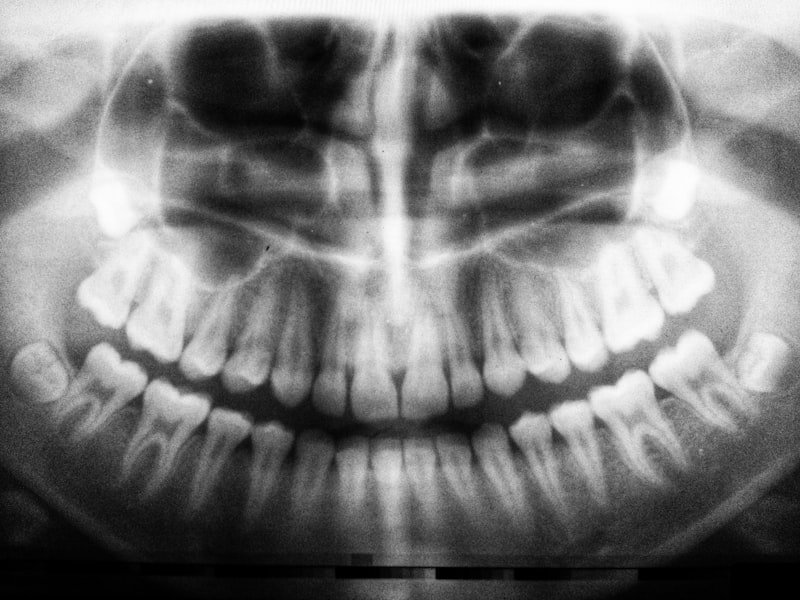
How painful a wisdom tooth feels says very little about how difficult it will be to remove. A tooth that has erupted can give severe pain from a gum infection and still come out simply; a deeply buried tooth may cause no pain at all and still need surgery. That is why we do not price an extraction until the dentist has seen an X-ray.
On a panoramic X-ray, the dentist looks at:
- whether the tooth has erupted, and how much bone and gum cover it;
- its angle: upright, leaning forwards, leaning backwards or lying flat;
- the number, length and curve of the roots;
- how close the roots are to the nerve that gives feeling to the lower lip and chin;
- for upper teeth, how close the roots are to the sinus.
If the roots appear to overlap the nerve, a 3D scan may be advised before treatment. If you already have a recent X-ray, sending it on WhatsApp before you travel lets a dentist tell you early whether your tooth looks likely to be simple or surgical.
Worked examples for more than one tooth
Many people need more than one wisdom tooth removed. These examples use the listed ranges and are for planning only.
- Two impacted lower wisdom teeth, both surgical: TRY 5,000–16,000, roughly £80–£240, €90–€290 or $100–$320.
- One erupted upper tooth (simple) and one impacted lower tooth (surgical) on the same side: TRY 3,500–10,500, roughly £55–£160, €65–€190 or $70–$210.
Removing the teeth on one side at the same appointment is common, because you can chew on the other side while you heal. Whether all four can sensibly be removed in one visit depends on how difficult each tooth is and how you cope with treatment; the dentist advises on this, and it changes the number of days you need rather than the per-tooth price.
Do your wisdom teeth actually need to come out?
Before thinking about cost, it is worth knowing that not every wisdom tooth needs removing. A wisdom tooth that has come through straight, can be cleaned properly and meets the tooth above or below it can often stay. Removing healthy wisdom teeth that cause no trouble, simply as a precaution is not standard advice in the UK, and we take the same view.
Removal is usually advised when a wisdom tooth keeps causing gum infections, has decay that cannot sensibly be filled, is damaging the molar in front, has a cyst around it, or is in the way of other planned treatment. If your X-ray shows none of these, the most economical and sensible plan may be to leave it alone and have it checked from time to time.
Our wisdom tooth removal page explains the signs of trouble and what happens during the procedure in more detail.
Recovery before flying: planning the days
The cost of a wisdom tooth extraction is small next to the cost of a ruined flight, so recovery belongs in your plan from the start. Swelling and stiffness are usually at their worst on days two and three after a surgical extraction, and dry socket, the painful loss of the blood clot from the socket, tends to show itself around days two to four.
For that reason, we suggest:
- having the extraction early in your stay, not on the last day;
- allowing a few days afterwards and attending a check-up before you fly;
- keeping painkillers and any prescribed medicines in your hand luggage;
- following any extra advice if an upper tooth was close to the sinus, as nose-blowing and pressure changes can matter.
Our blog post on flying after dental treatment covers this in more depth. Extra nights in Istanbul are part of your real budget, so count them when you compare plans.
Risks that can affect cost and recovery
Most wisdom tooth extractions heal without trouble, but it is fair to know the possible problems. Dry socket is the most common, and is treated by cleaning the socket and placing a soothing dressing. Infection can occur and may need antibiotics. With lower wisdom teeth, temporary numbness or tingling of the lip or chin happens occasionally if the roots were close to the nerve; it usually recovers, and lasting change is rare.
Where the X-ray shows the roots and nerve overlapping, a coronectomy may be considered: the crown is removed and the roots deliberately left in place. These cases are planned individually and priced in the written plan. Oral surgery at our clinic is carried out by dentists including Dt. Yusuf Yuca, PhD and Dt. Cemal Özdemir. For other surgical treatments, see oral surgery in Istanbul.
How to get a figure for your own wisdom teeth
Send any recent dental X-ray, along with a short note about your symptoms, on WhatsApp. A dentist reviews it and replies with a preliminary plan and the expected number of days, including recovery time before you fly. The final cost is set in writing after your examination and X-ray in Istanbul. Private fees in the UK and US are generally higher, but compare written plans, not headline prices, and include the extra nights. All our ranges are on the dental work price list page.
Frequently asked questions
How much does wisdom tooth removal cost in Istanbul?
Why is surgical wisdom tooth removal more expensive?
Can you tell me the price before I travel?
Is a 3D scan included in the price?
How many days should I stay after wisdom tooth removal?
Can all four wisdom teeth be removed at once?
Do I have to remove a wisdom tooth that does not hurt?
This page gives general information and is not a substitute for an examination. Whether a treatment is suitable for you, and how long it takes, is decided after your dentist has examined you and reviewed your X-rays.