
Can you fly after dental treatment?
Yes, in most cases. A commercial aircraft cabin is pressurised, but to a lower pressure than at ground level, so any air trapped in the body expands slightly during the climb and contracts on the descent. For a healthy mouth, this makes no difference. What matters is whether you have a fresh surgical wound, a sinus that has been operated on, or air trapped under a temporary filling.
The timings below are typical guidance drawn from general dental practice. They are not a substitute for the advice of the dentist who treated you, who knows exactly what was done and how you are healing.
| Treatment | Flying, as a rule of thumb | Points to note |
|---|---|---|
| Veneers, crowns, bonding, whitening | Usually no wait needed | Some sensitivity to cold is common for a few days |
| Root canal treatment | Usually fine once completed | Mention any pain under a temporary filling before you fly |
| Simple extraction | Often after about 24 hours | Bleeding should have fully stopped |
| Surgical or wisdom tooth removal | Often after 1–2 days | Swelling may still be building |
| Implant placement | Often after 1–2 days | Only after the dentist's check |
| Sinus lift or upper-jaw graft | Usually a longer wait, set by the surgeon | Avoid pressure on the sinus |
Flying after dental implants
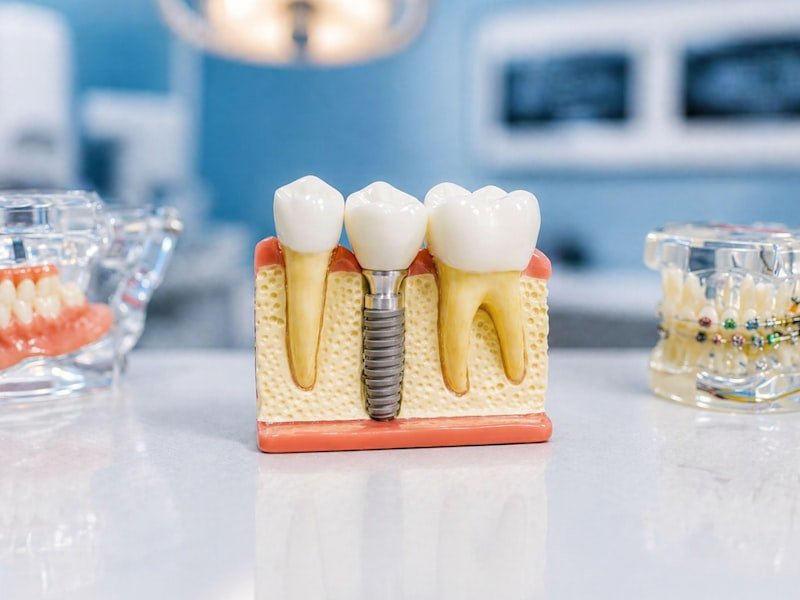
After a straightforward implant placement, many patients are able to fly within a day or two. The implant itself is fixed in the bone and is not affected by cabin pressure. The concern is the healing gum and the chance of bleeding or swelling during the journey, so the dentist will usually want to see you for a check before you leave.
If you had several implants, an All-on-4 type procedure or additional bone grafting, plan for more recovery time and travel with the medicines and instructions you were given. Our page on dental implants explains how the two trips are usually organised, and our guide on how long to stay in Turkey helps when choosing flight dates.
Flying after a tooth extraction
After an extraction, a blood clot forms in the socket and protects the bone while it heals. The aim in the first day or two is to keep that clot in place. Cabin pressure is not usually the problem; the bigger risks are things people do on travel days, such as drinking through a straw, smoking, rinsing hard or eating crunchy snacks near the socket.
For a simple extraction, flying after about 24 hours is common advice. After wisdom tooth removal or other surgical extractions, a day or two is more typical, and you should not fly while the socket is still bleeding. Bring a few sterile gauze pads in your hand luggage in case of light oozing on the plane.
Sinus lifts and cabin pressure
The roots of the upper back teeth sit close to the maxillary sinus, an air-filled space above the jaw. When there is not enough bone there for an implant, a sinus lift raises the sinus lining and adds bone graft material underneath. Because the sinus contains air, pressure changes during a flight can put strain on the healing lining and graft.
For this reason surgeons usually ask patients to wait longer before flying after a sinus lift than after ordinary implant surgery, and to avoid blowing their nose hard or sneezing with the mouth closed. If you have a cold or blocked sinuses on the day you are due to fly, tell your dentist. Our dentists, including Dt. Yusuf Yuca, who holds a PhD in oral and maxillofacial surgery, will advise you on the timing for your case.
Swelling and comfort on the journey
Swelling after oral surgery usually builds over the first two to three days and then starts to go down. If your flight falls in that window, a few simple steps help:
- Use cold packs on the cheek, as advised, in the hours before you leave for the airport.
- Take your prescribed or recommended pain relief on time, rather than waiting for pain to start mid-flight.
- Keep your head up when resting rather than lying flat across seats.
- Drink water regularly, avoid alcohol, and get up and walk the aisle on longer flights.
What to pack in your hand luggage
- Any prescribed medicines, in their original packaging, with the written instructions from the clinic.
- Pain relief recommended by your dentist.
- Sterile gauze pads, if you have had an extraction or implant surgery.
- A soft toothbrush, travel toothpaste and interdental brushes; any mouthwash in a container small enough for airport security.
- Lip balm, as lips can become dry and sore after long appointments.
- A copy of your treatment notes and X-rays, and the clinic's WhatsApp number.
- Your night guard, if one has been made for you.
Eating and drinking on travel day
After surgery, stick to soft, lukewarm food such as yoghurt, soup that has cooled a little, scrambled eggs or mashed potato, and chew on the other side. Avoid very hot drinks for the first day, skip the straw, and leave alcohol until your dentist says otherwise, particularly if you are taking antibiotics or painkillers.
After veneers or crowns, you can eat normally, but it is wise to avoid biting into very hard items like nuts or crusty bread with the new front teeth in the first few days, and to expect some sensitivity to cold drinks.
If something feels wrong once you are home
Some things are a normal part of healing: mild tenderness, sensitivity to cold, slight swelling for a few days, and gums that take a little time to settle around new work. Other signs need attention:
- Swelling that keeps getting worse after the third day, or spreads.
- A fever, a bad taste or pus from the area.
- Bleeding that will not stop with firm pressure.
- Severe pain that pain relief does not control, or numbness that does not wear off.
- A loose crown or veneer, or a bite that feels high.
For questions and non-urgent concerns, contact us on WhatsApp with a photo and a short description; the dentist can tell you whether it is part of normal healing. Small adjustments may need a return visit or a dentist near you. For anything urgent, such as rapidly spreading swelling, difficulty swallowing or breathing, or a high temperature, seek local medical or dental care straight away. You can find all our contact details here.
Frequently asked questions
Can I fly after dental implants?
How long after a tooth extraction can I fly?
Can I fly after a sinus lift?
Can I fly straight after getting veneers or crowns?
What should I do if I have a problem after flying home?
This page gives general information and is not a substitute for an examination. Whether a treatment is suitable for you, and how long it takes, is decided after your dentist has examined you and reviewed your X-rays.