
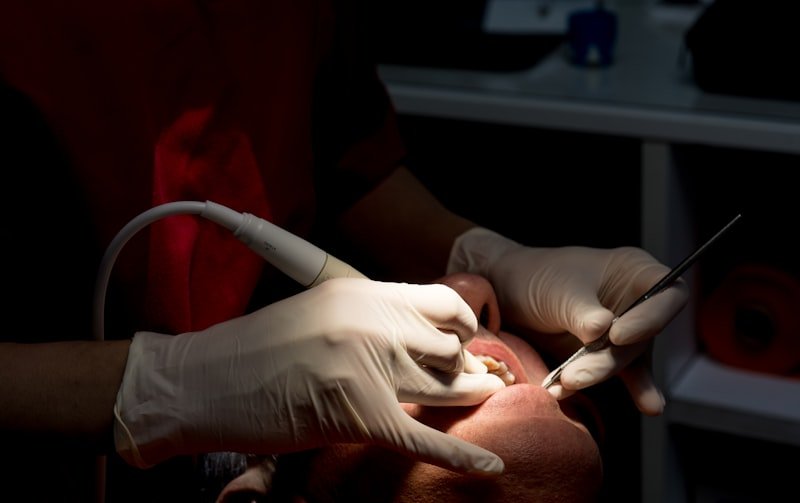
Why aftercare matters as much as the treatment
Crowns and veneers do not decay, but the teeth and gums around them still can, and that is where most long-term problems begin. The edge where a crown or veneer meets the tooth sits right at the gumline. If plaque is left there day after day, the gum becomes inflamed and decay can start under the restoration without being visible. Looking after that edge is the single most useful thing you can do to make new teeth last.
This guide is written mainly for people who have had crowns or veneers, the treatments most people mean by "Turkey teeth". Implant patients will find a short section of their own further down, and should always follow the written instructions their dentist gave them, which take priority over any general guide.
The first 48 hours
For the first two days, expect your mouth to feel unfamiliar and your gums to be a little sore. Preparation, impressions or scans, and fitting all involve working at the gumline, so mild tenderness and slight bleeding when brushing are common. The new teeth may also feel bulky or slightly different against your tongue and lips.
- Pain relief: ordinary over-the-counter painkillers are usually enough if you need anything. Use the ones your dentist advised and follow the label.
- Rinsing: a warm salt-water rinse a few times a day can soothe tender gums. Do not rinse hard.
- Brushing: keep brushing twice a day with a soft brush, gently. Avoiding the area because it is sore lets plaque build up and makes the gums worse.
- Numbness: if you had local anaesthetic, wait until the feeling comes back fully before eating, so you do not bite your cheek or tongue.
If you are travelling home in this period, our guide to flying after dental treatment covers the journey itself.
What can I eat with new Turkey teeth?
For the first few days, choose soft food and cut it into small pieces; after that, most people return to a normal diet with a few sensible limits. Bonding cement reaches full strength quickly, but your gums, your bite and your muscles need time to adjust.
Good choices for the first days include soup that is warm rather than hot, eggs, yoghurt, pasta, rice, fish, soft cooked vegetables and bananas. Avoid very hot or very cold food and drink if your teeth are sensitive.
In the longer term, ceramic is strong but not indestructible. These habits are worth dropping for good:
- biting into very hard things with the front teeth, such as whole apples, crusty baguettes, nuts in shells or hard sweets; cut them up and chew on the back teeth instead;
- chewing ice, pens or fingernails;
- using your teeth to open packets or bottles;
- very sticky sweets such as toffee, which can pull at temporaries and older restorations.
Coffee, tea and red wine do not stain glazed ceramic in the way they stain natural teeth, but they can stain the natural teeth and gum margins next to it, so the overall look can still change.
Sensitivity after crowns or veneers
Some sensitivity to cold and to biting is common after crowns or veneers and usually fades over one to three weeks. Preparing a tooth exposes tiny channels in the dentine, and the nerve can react for a while. Sensitivity is often a little stronger after crowns than after minimal-preparation veneers, simply because more tooth has been removed.
A toothpaste for sensitive teeth, used twice a day and smeared on the sensitive area at night, can help. So can avoiding very cold drinks for a few weeks.
Sensitivity that is getting worse instead of better, a throbbing ache that keeps you awake, pain that lingers for a long time after something hot or cold, or swelling around a tooth are different. These can be signs that the nerve is inflamed, and the tooth should be examined. In some cases root canal treatment is needed. Do not wait for it to pass on its own.
How to clean around crowns and veneers
Clean your new teeth exactly as carefully as natural teeth, with extra attention to the gumline. A simple daily routine:
- Brush twice a day for two minutes with a soft or medium brush, or an electric brush, angled at about 45 degrees towards the gum. Small circular movements clean the margin without scrubbing the gum away.
- Use a fluoride toothpaste that is not highly abrasive. Very gritty "whitening" pastes can dull the glaze over time and wear the natural teeth.
- Clean between the teeth once a day with floss or interdental brushes in the right size. If your crowns are joined together, floss threaders or interdental brushes reach under the joins.
- Spit, do not rinse after brushing, so the fluoride stays on the teeth.
Water flossers can be a helpful addition, especially around bridges and implants, but they do not fully replace floss or interdental brushes. A hygienist can show you which sizes and tools suit your mouth; a professional clean also removes the hard deposits that home cleaning cannot.
Night guards: who needs one
If you grind or clench your teeth, a night guard is one of the most effective ways to protect new crowns and veneers. Grinding puts heavy, repeated forces on teeth while you sleep, and it is a common reason for ceramics to chip or come loose. Many people grind without knowing; signs include waking with a stiff jaw, headaches in the morning, flattened tooth edges or a partner hearing the noise.
A night guard is a custom-made plastic splint that covers the teeth at night. It is made from a scan or impression after the final teeth are fitted, because it has to fit the new shape. Wear it every night, rinse it in the morning, brush it gently with cool water and keep it in its case. Hot water can warp it. Bring it to check-ups so the fit can be checked.
If you play contact sports, a separate sports mouthguard protects the teeth from knocks.
Aftercare for dental implants
Implant aftercare has two phases: healing after surgery, then daily cleaning for as long as you have the implant. In the first days after placement, follow your surgeon's written instructions on medicines, rinsing, swelling and diet. Typically this means soft food, no smoking, no strenuous exercise for a short period, and not chewing on the implant area.
Once the final teeth are fitted, the main risk to an implant is an infection of the gum and bone around it, known as peri-implantitis. Bleeding, swelling, a bad taste or pus around an implant should be checked promptly. Clean around each implant every day with a soft brush and interdental brushes, and under full-arch teeth with the tools your dentist recommends. Smoking raises the risk of implant problems considerably. More detail is on our dental implants page.
Check-ups at home and when to contact the clinic
When you are home, keep up regular check-ups and hygiene visits with a local dentist, usually at least once a year and more often if you have implants or a history of gum disease. Take your treatment plan, X-rays and a note of the materials used to that first visit, so your dentist knows exactly what is in your mouth.
Send us a message on WhatsApp, with clear photos, if you notice:
- a chipped or rough edge;
- a crown or veneer that feels loose or has come off (keep it safe and bring it to a dentist);
- a bite that feels high or uneven after the first week;
- gums that bleed every time you brush, or a dark line appearing at the gum.
Good photos help a dentist judge what is happening: take them in daylight, with lips pulled back, from the front and from each side, plus a close-up of the area.
Do not wait for a message reply if you have swelling of the face or under the jaw, a fever, bleeding that will not stop with pressure, or pain that painkillers do not control. These need prompt care from a dentist or doctor where you are.
Frequently asked questions
How long does it take to get used to Turkey teeth?
Is it normal for gums to be sore after veneers or crowns?
What should I avoid after getting Turkey teeth?
Can I use whitening toothpaste on veneers?
Do I need a night guard after veneers?
What should I do if a veneer or crown comes off?
Can my local dentist look after Turkey teeth?
This page gives general information and is not a substitute for an examination. Whether a treatment is suitable for you, and how long it takes, is decided after your dentist has examined you and reviewed your X-rays.