
- Duration
- About 30–45 minutes
- Anaesthesia
- Usually none; local available if very sensitive
- How often
- Typically every 6 months, sooner for some
- Recovery
- Back to normal the same day
- Afterwards
- Mild sensitivity for a day or two
What is a scale and polish?
A scale and polish is a professional clean of the teeth above and just below the gumline. Even with careful brushing, plaque builds up in places the brush misses, mainly behind the lower front teeth and around the back molars. Within days, minerals from saliva harden that plaque into tartar, also called calculus, which is rough, holds more bacteria and cannot be removed at home.
The scale removes that tartar. The polish smooths the tooth surfaces and lifts surface stains from tea, coffee, red wine and smoking, so plaque has less to cling to afterwards. The result is teeth that feel smooth to the tongue and gums that, within a week or two, bleed less and look firmer.
What happens during teeth cleaning in Istanbul
The appointment starts with a quick look at your teeth and gums, so that any decay, loose fillings or deeper gum pockets are noted rather than cleaned over. Then:
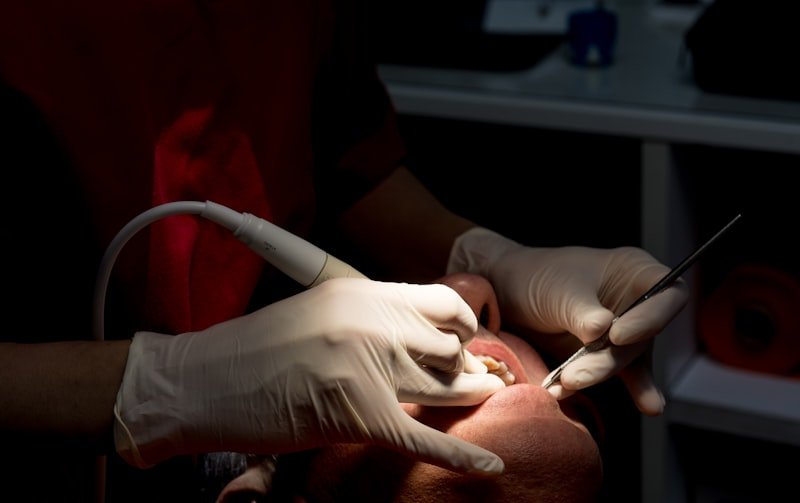
- Ultrasonic scaling. A fine tip vibrates rapidly while spraying water, breaking up tartar and flushing it away. You feel vibration and hear a high-pitched sound; the water spray is suctioned as you go.
- Hand scaling. Small hand instruments remove remaining deposits in tight spots and check the surfaces are smooth.
- Polishing. A slightly gritty paste on a soft rotating cup removes stains and smooths the enamel. Some clinics also use air-polishing, a fine powder-and-water spray, for heavier staining.
- Final check. The dentist looks again at the gums and may suggest a fluoride application or advice on brushing and interdental cleaning.
Most cleanings take 30 to 45 minutes. Heavier tartar build-up can take longer or be split over two visits.
Your cleaning appointment, step by step
- Check-up: A quick examination of teeth and gums, with X-rays if needed, so nothing is missed beneath the tartar.
- Scaling: Ultrasonic and hand instruments remove tartar above and just below the gumline.
- Polishing: Surface stains are polished away and the enamel left smooth.
- Advice: You are shown which areas you miss when brushing and which interdental brush sizes to use.
- Next steps: If you are here for cosmetic work, the plan continues once gums have settled.
Why cleaning comes first on a cosmetic trip
If you are travelling to Istanbul for cosmetic work, a scale and polish at the start of the trip is not an upsell; it makes the rest of the treatment better. Here is why:
- Accurate shade matching. Stains and tartar change how teeth look. The shade for veneers or crowns should be chosen on clean teeth.
- Better scans and impressions. Tartar and bleeding gums blur the edges a technician needs to see.
- Stronger bonding. Adhesives for composite bonding and veneers bond best to clean, dry enamel, which is hard to achieve beside inflamed gums.
- Calmer gums. Even a few days after cleaning, gums are less swollen, so the edges of restorations can be placed precisely.
When the examination shows more than surface tartar, such as deep pockets or bone loss, cleaning alone is not enough and gum disease treatment comes first. The guide to how long to stay in Turkey shows where cleaning fits into a typical trip.
Teeth cleaning and whitening in Istanbul: not the same thing
Teeth cleaning and teeth whitening are often booked together, but they do different jobs. Cleaning removes deposits and surface stains, which can make teeth look noticeably brighter, but it cannot change the natural colour of the tooth. Whitening uses a bleaching gel that penetrates the enamel and lightens the colour from within.
If you want both, the order matters: clean first, then whiten, ideally with a short gap if the gums are tender after cleaning. Whitening gel works more evenly on clean enamel, and the dentist can judge your true starting shade. Many people find that after a good scale and polish their teeth are already lighter than expected and decide they need a gentler whitening treatment, or none at all. Remember that whitening does not change the colour of existing fillings, crowns or veneers.
How often should you have your teeth cleaned?
For most adults a professional clean every six months, or once a year, is reasonable. Some people need it more often:
- People who build up tartar quickly
- Smokers and heavy tea or coffee drinkers
- Anyone treated for gum disease, often every three to four months
- People with implants, bridges or fixed braces, which trap more plaque
- People with diabetes or a dry mouth
If you live abroad, there is no need to fly to Istanbul for routine cleanings; a dentist or hygienist near home can continue your care. When you are here for other treatment, though, a clean is easy to add; our dental tourism guide explains how treatments are combined on one trip.
Sensitivity and bleeding after a cleaning
Some sensitivity afterwards is common, especially to cold drinks or cold air. It happens because tartar that had been covering the root surface near the gum is gone, and the area is briefly more exposed. It usually fades within a day or two, though it can last longer after heavy build-up.
Gums may bleed a little during cleaning and for a day afterwards if they were inflamed. That is a sign they needed the attention, not that they were damaged, and bleeding should reduce over the following week as long as you keep brushing gently. A toothpaste for sensitive teeth helps. If sensitivity is sharp, lingers or is limited to one tooth, let us know, as it may point to a crack or decay rather than the cleaning itself.
Good dental hygiene between cleanings
What you do every day matters more than any professional clean. Brush twice a day for two minutes with a fluoride toothpaste, and spit rather than rinse so the fluoride stays on your teeth. Clean between your teeth once a day with interdental brushes or floss, choosing the brush size the dentist or hygienist recommends. Keep sugary snacks and drinks to mealtimes. An electric toothbrush can make good technique easier, but a manual brush used well works too.
Frequently asked questions
How long does a scale and polish take in Istanbul?
Does teeth cleaning hurt?
Will a cleaning make my teeth whiter?
Should I have my teeth cleaned before veneers or crowns?
Is a scale and polish the same as a deep clean?
Why are my teeth sensitive after a cleaning?
What does the cost of a teeth cleaning depend on?
This page gives general information and is not a substitute for an examination. Whether a treatment is suitable for you, and how long it takes, is decided after your dentist has examined you and reviewed your X-rays.