
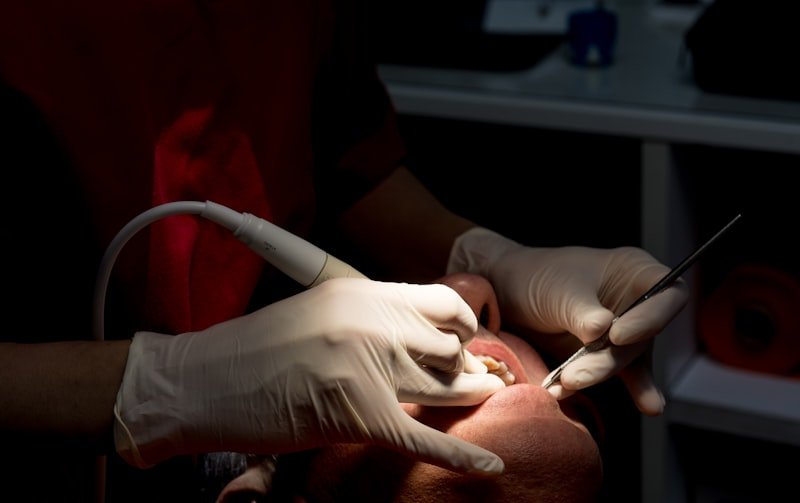
Is it safe to get dental work in Turkey?
For most people, yes, provided they take the same care choosing a clinic that they would take choosing a surgeon at home. Turkey has a large and long-established dental profession, and a great deal of routine and complex dentistry is carried out there every day for Turkish patients as well as visitors.
Where things go wrong, the pattern is usually familiar. A patient is offered far more treatment than they need, it is squeezed into a few days, and nobody explains the long-term consequences. Those problems can happen anywhere. The difference with treatment abroad is that you are further from the clinic afterwards, so a careful plan and good communication matter even more.
Is Turkey good for dental work?
Turkey has become a popular destination for dental work for a few practical reasons. Treatment generally costs less than in the UK, Ireland or the US, Istanbul is a short direct flight from much of Europe, and the city has many university dental faculties and private clinics, so patients have plenty of choice.
That choice cuts both ways. Alongside careful practices there are businesses built around high-volume packages and aggressive marketing. Being "good for dental work" is therefore a question about the individual clinic and dentist rather than about the country as a whole. The rest of this guide is about telling the two apart.
How dentists in Turkey are trained and regulated
In Turkey, dentistry is a five-year university degree. Graduates need a licence to practise, and healthcare in the country, including private dental clinics, is regulated by the Turkish Ministry of Health, which licenses clinics and sets rules for how they operate.
Dentists in private practice are also registered with the dental chamber for their province. These regional chambers together make up the Turkish Dental Association (Türk Dişhekimleri Birliği), the professional body for dentists in Turkey. Dentists who want to become specialists, for example in oral surgery, orthodontics or gum disease, complete further postgraduate training after the basic degree.
A valid qualification tells you a dentist is allowed to treat you. It does not tell you whether the plan you are offered is the right one. That is why the questions below matter as much as any certificate. At the very least, you should know the name of the dentist who will treat you; we list ours, with their training and areas of work, on our dentists page.
Red flags: when to walk away
The following are warning signs at any clinic, in Turkey or elsewhere:
- Pressure to commit. Discounts that expire tomorrow, deposits demanded before anyone has seen your teeth, or a salesperson rather than a dentist steering the conversation.
- A plan without X-rays. A firm treatment plan for crowns or implants cannot be made from a smiling selfie. Photos are fine for a first idea; the final plan needs an examination and X-rays.
- Everything in three days. Some treatments really are quick. Extensive work involving extractions, implants and a full set of crowns is not, and compressing it raises the risk of poor fit and complications.
- Nothing in writing. If a clinic will not set out which treatment goes on which tooth, and the total cost, before starting, do not start.
- Healthy teeth treated as a problem. Being told that every tooth needs a crown when most are sound is the route to the "Turkey teeth" result many people regret.
- No clear dentist. You should know who is treating you before the appointment, not discover it in the chair.
- Silence on aftercare. A clinic that cannot tell you what happens if something feels wrong after you fly home has not thought about you beyond the trip.
How to protect yourself before you travel
- Send good records first. Clear photos and any recent X-rays from your own dentist allow a realistic preliminary plan.
- Ask for the provisional plan in writing, listing each tooth, the proposed treatment and the materials, and confirm that it may change after the examination.
- Check the dentist, not just the clinic name.
- Book flights with spare days. A realistic schedule leaves room for adjustments. Our guide on how long to stay for dental work gives typical timings per treatment.
- Read your insurance policy. Many standard travel policies exclude planned medical or dental treatment abroad, so check what is and is not covered.
- Keep your records. Ask for copies of your X-rays and a note of the work done, the materials used and, for implants, the implant system and component sizes. Any dentist who maintains the work later will need these details.
Hygiene and infection control
Sterilisation is a basic requirement of dental care everywhere, and it is reasonable to ask about it. Instruments that enter the mouth should be cleaned and sterilised between patients, single-use items such as needles should be used once and discarded, and surfaces should be cleaned between appointments. A clinic that is comfortable showing you how this works is a good sign. If you also have a medical condition or take regular medication, tell the dentist at the first appointment so it can be factored into your treatment.
Aftercare when you are back home
Safe treatment includes what happens after you leave. Before you fly, you should know how to care for the new work, which symptoms are normal while things settle and which are not, and how to reach the clinic. Our patients can contact us on WhatsApp with photos and questions after they return.
Be realistic about follow-up. A small adjustment may be possible on a return visit or may be done by a dentist near you; a new problem that is urgent, such as significant swelling, bleeding that will not stop or a fever, needs prompt local care rather than a message. It also helps to tell your regular dentist about your plans, so routine check-ups and cleaning can continue as normal. For practical advice on the journey home, see flying after dental treatment.
How we approach safety at Beyaz Gülüş
Your first examination, X-rays at the clinic and treatment plan are free, and there is no obligation to go ahead. After the examination you receive the plan and the total cost in writing, so you can take time to think or ask another dentist for an opinion. You can read more about travelling to us on our dental tourism page.
Frequently asked questions
Is it safe to have dental work done in Turkey?
Are Turkish dentists properly qualified?
What happens if something goes wrong after I get home?
Is it safe to get dental implants in Turkey?
Will my travel insurance cover dental treatment in Turkey?
This page gives general information and is not a substitute for an examination. Whether a treatment is suitable for you, and how long it takes, is decided after your dentist has examined you and reviewed your X-rays.